

La instalarea panourilor solare, mulți proprietari și contractori sunt foarte îngrijorați de riscul scurgerilor cauzate de găurirea în acoperiș și de deteriorarea structurii acoperișului. De fapt, nu este întotdeauna necesar să se găurească găuri la instalare. sisteme de montare solară pe un acoperiș. În prezent, industria oferă două metode de instalare consacrate: găurire și ancorare și montare pe bază de balast fără găurire. Acestea pot fi selectate flexibil în funcție de materialul acoperișului, vechimea clădirii, capacitatea portantă a acoperișului și cerințele proprietarului, ceea ce le face potrivite pentru o gamă largă de aplicații solare rezidențiale, comerciale și industriale. 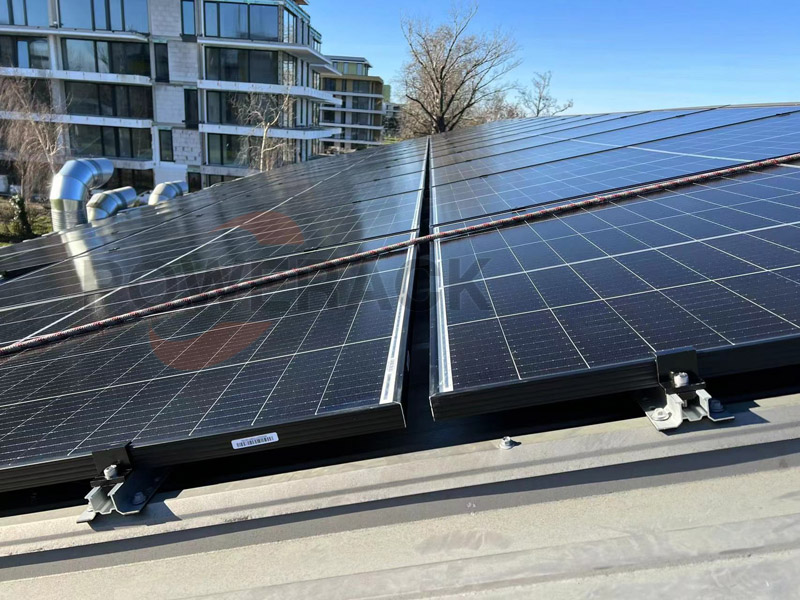
Aplicații adecvate pentru găurire și ancorare
Pentru acoperișuri cu substraturi solide și o capacitate portantă suficientă - cum ar fi acoperișuri plate din beton, acoperișuri plate din cărămidă și beton, acoperișuri mai vechi din țiglă de ciment și clădiri industriale cu structură de oțel - metoda preferată este Suport cu sistem de montare prin orificiu.Prin ancorarea fermă a sistemului de montare fotovoltaic la structura principală a clădirii cu șuruburi de expansiune și ancore chimice, sistemul realizează un ancoraj profund și puncte portante stabile, rezultând o rezistență generală superioară la ridicare, alunecare, vânt și forțe seismice.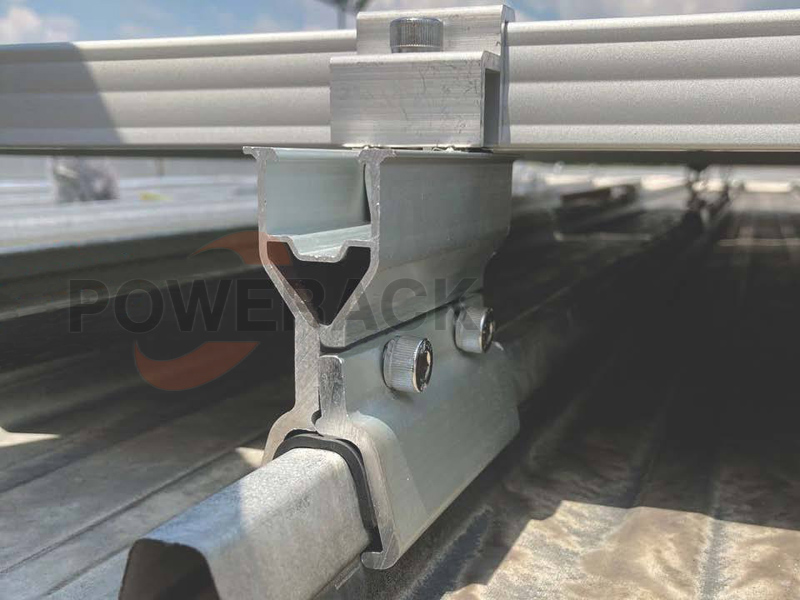
O soluție fără găurire care nu necesită absolut nicio găurire
Pentru acoperișurile din oțel vopsit cu falț vertical, acoperișurile mai vechi cu o capacitate portantă relativ redusă și clădirile în care proprietarul nu permite deteriorarea stratului de hidroizolație, se recomandă utilizarea clemelor combinate cu suporturi de montare contragreutateAcest sistem se bazează pe cleme care prind marginile panourilor de acoperiș, în timp ce blocurile de contragreutate de la bază fixează consolele de montare. Întregul proces nu provoacă daune structurii existente a acoperișului sau hidroizolației; instalarea este rapidă, iar îndepărtarea ulterioară nu provoacă daune acoperișului, ceea ce îl face potrivit pentru proiecte fotovoltaice rezidențiale la scară mică.
Principalele avantaje și dezavantaje ale celor două metode
Avantajele metodei de găurire și ancorare: rezistență structurală ridicată, rezistență ridicată la vânt, stabilitate bună a consolelor, nicio sarcină permanentă suplimentară și o configurație compactă a sistemului; potrivită pentru proiecte comerciale și industriale la scară largă și pentru cele din zone cu presiuni mari ale vântului.
Dezavantaje ale soluției de ancorare cu găuri: Instalarea implică penetrarea stratului de hidroizolație existent al acoperișului; dacă procesul de etanșare nu este efectuat conform standardelor sau detaliile nu sunt tratate corespunzător, există riscul de infiltrații sau scurgeri de apă în viitor.
Avantajele soluției de balast fără foraj: Zero deteriorare a acoperișului; elimină riscul de scurgeri la sursă; păstrează integritatea hidroizolației originale a acoperișului; simplifică întreținerea și demontarea; potrivit pentru acoperișuri mai vechi și clădiri cu cerințe ridicate de hidroizolație.
Dezavantajele soluției cu balast fără găuri: Deoarece consolele sunt stabilizate de greutatea balastului, greutatea totală este mai mare, ceea ce impune anumite cerințe asupra capacității portante a acoperișului; în zonele expuse la vânturi puternice sau taifunuri de coastă, specificațiile balastului trebuie crescute corespunzător pentru a spori și mai mult rezistența la răsturnare și alunecare.
Add : 606, No. 12, Huasheng Road, Huli District, Xiamen,China
WhatsApp : +86153 9592 2968
E-mail : info@powerack.com



 Română


