

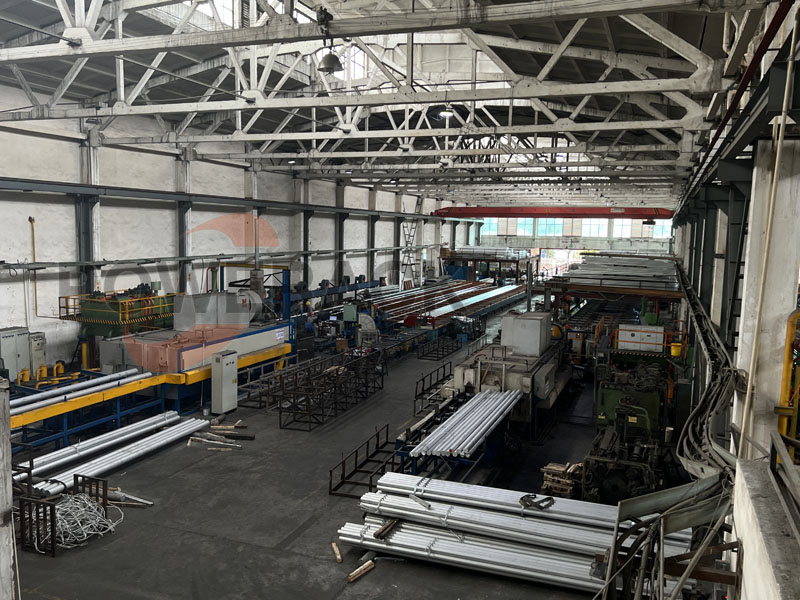
As a fundamental component of solar power plants, raw material costs account for 70% to 80% of the total cost of photovoltaic mounting systems. The core materials are steel and aluminum alloy, supplemented by stainless steel fasteners, zinc-aluminum-magnesium-coated materials, and other components. Fluctuations in the prices of bulk metals directly determine the price fluctuations of these mounting systems.
Steel is primarily used for fixed mounts in ground-mounted power plants and torque tubes in tracking mounts, with hot-dip galvanized and zinc-aluminum-magnesium steel strips being the most common; aluminum alloy profiles are mainly used for rooftop PV mounting rails and clamps. Both types of materials are commodities, and their prices are linked to the macroeconomic market, with price fluctuations spreading rapidly.
The factors driving increases or decreases in raw material prices can be broadly categorized into three main dimensions. First, on the upstream supply side, production maintenance at steel and primary aluminum plants, energy consumption controls, overseas logistics, and geopolitical factors can directly affect spot inventories. Second, on the demand side, the simultaneous commencement of construction at large-scale domestic wind and solar power projects and the concentrated release of overseas solar orders can drive up metal procurement volumes during specific periods. Third, macroeconomic factors—such as exchange rates, futures market movements, and the costs of raw materials like iron ore and alumina—amplify the volatility of steel and aluminum prices.
Fluctuations in raw material prices can have a significant impact on projects. When raw material prices rise, mounting system manufacturers’ profit margins are squeezed, leading them to raise prices for short-term orders; when prices fall, customers tend to adopt a wait-and-see approach and delay placing orders, causing a mismatch between delivery schedules and price expectations. For long-lead-time photovoltaic projects, there is a time lag between bidding, contract signing, and production. If the contract does not include price adjustment clauses, there is a high risk of incurring cost losses.
Projects can use several methods to hedge against price volatility. For small-scale, short-term projects, priority should be given to locking in quotes with short validity periods; for large-scale ground-mounted power plants, a raw material price adjustment formula can be included in the contract to anchor prices to benchmark prices for steel and aluminum ingots; in terms of material selection, a reasonable mix of steel and aluminum solutions should be adopted, with aluminum alloy preferred for rooftop installations and zinc-aluminum-magnesium steel selected for ground-mounted power plants to balance cost and corrosion resistance.
FAQ
Q1: How often do PV mounting system quotes typically adjust for changes in raw material prices?
A: In the industry, quotes are generally valid for 15–30 days. During periods of sharp fluctuations in steel and aluminum prices, manufacturers may shorten the quote validity period, and some orders may include separate clauses for raw material price adjustments.
Q2: Which is more affected by raw material price fluctuations—aluminum alloy mounting systems or steel mounting systems?
A: Aluminum prices typically fluctuate more than steel prices, so the cost elasticity is higher for rooftop aluminum rail projects. Ground-mounted steel mounting systems involve a large volume; although the price fluctuation per metric ton is smaller, the total procurement volume is substantial, so the impact on the project’s total cost is equally significant.
Q3: When raw material prices fall, is it advisable to wait until prices drop further before purchasing mounting systems?
A: We do not recommend simply speculating on market trends. Photovoltaic projects are subject to grid-connection deadlines, production scheduling cycles, and logistics delivery constraints. Waiting too long may delay grid connection, resulting in higher penalty fees and lost power generation revenue; therefore, a strategy of locking in prices in batches is recommended.
Add : 606, No. 12, Huasheng Road, Huli District, Xiamen,China
WhatsApp : +86153 9592 2968
E-mail : info@powerack.com



 Română


