

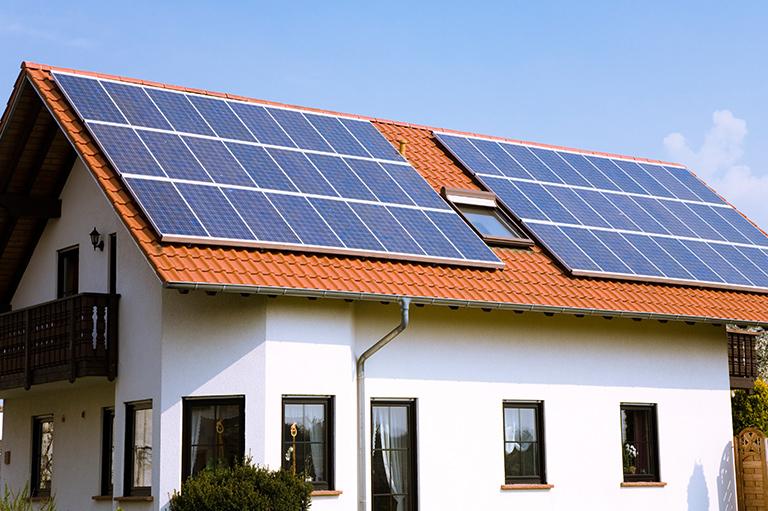
 La instalarea panourilor solare pe acoperișuri mai vechi, principalele provocări sunt deteriorarea acoperișului, materialele variate și capacitatea portantă slabă. Există diferențe semnificative în ceea ce privește capacitatea portantă, impermeabilitatea și structura între diferitele tipuri de acoperișuri, iar soluțiile generice de montare pot duce cu ușurință la pericole precum supraîncărcarea, scurgerile, deformarea panourilor și suporturile slăbite. Cauza principală a majorității defecțiunilor în proiectele solare mai vechi constă în nepotrivirea dintre sistemul de montare selectat și condițiile reale ale acoperișului. Acest articol abordează trei tipuri comune de acoperișuri mai vechi și prezintă soluții precise și practice de selecție a sistemului de montare, care echilibrează siguranța construcției cu stabilitatea pe termen lung a centralei solare.
I. Acoperișuri vechi din oțel vopsit: Prioritizați Clemă fără găurire din aliaj de aluminiu Soluţie
Clădirile vechi din oțel vopsit au fost expuse pe termen lung la vânt și ploaie, ceea ce a dus la probleme răspândite, cum ar fi subțierea panourilor, rugină, deformare și ruperea straturilor de hidroizolație. Din cauza capacității portante generale slabe, metodele tradiționale de instalare - cum ar fi găurirea pentru ancorare sau utilizarea balastului greu - sunt strict interzise, deoarece pot provoca cu ușurință deteriorarea sau prăbușirea acoperișului.
Soluția optimă o reprezintă consolele din aliaj de aluminiu, fără găurire, bazate pe cleme: clemele specializate se interconectează cu ondulațiile și grinzile acoperișului, eliminând necesitatea găuririi pe parcursul întregului proces și păstrând integritatea impermeabilității acoperișului. Aliajul de aluminiu cântărește doar o treime din greutatea consolelor din oțel carbon; acest design ușor reduce semnificativ sarcina suplimentară asupra acoperișului, prevenind astfel probleme precum rugina, scurgerile și deformarea panourilor sub presiune la sursă.
Capcană importantă de evitat: Nu instalați console de balast direct pe acoperișuri din oțel vopsit care prezintă rugină extinsă, perforații sau înmuiere și deformare. În primul rând, acoperișul trebuie curățat de rugină, recondiționat și armat; instalarea consolelor ușoare trebuie efectuată numai după ce structura îndeplinește standardele necesare.
II. Acoperișuri plate prefabricate din beton vechi: În principal sarcini ușoare, distribuite, cu ancorare locală suplimentară
Acoperișurile plate prefabricate din beton de tip vechi au numeroase rosturi, integritate structurală slabă și capacitate portantă locală slabă. Sunt predispuse la acumularea și fisurarea apei și sunt deosebit de vulnerabile la încărcări punctuale concentrate și foraje dense. Contragreutățile tradiționale grele și consolele cu unghi mare pot provoca cu ușurință fisurarea plăcii de podea și infiltrarea apei prin rosturi.
Soluția standard este balast de lumină distribuit Combinată cu console plate și cu profil redus: un design cu profil redus și unghi redus reduce eficient încărcăturile vântului și forțele de ridicare, reducând astfel necesarul de balast; împreună cu cutii de balast mici și distribuite, această abordare mărește suprafața portantă, dispersează încărcăturile acoperișului și previne deteriorarea plăcii de podea cauzată de presiunea concentrată în puncte unice.
Pentru zonele cu presiune mare a vântului sau capacitate portantă insuficientă, se pot aplica armături auxiliare specifice: Un număr mic de ancore chimice se utilizează exclusiv la structuri portante solide, cum ar fi grinzile și stâlpii, evitând în același timp găurirea în zonele slabe de la mijlocul deschiderii plăcilor prefabricate, echilibrând astfel rezistența la vânt a consolelor cu siguranța structurii acoperișului.
III. Acoperișuri vechi din țiglă vitrificată/țiglă de lut: Suporturi ușoare cu cârlig pentru țiglă - Portanță pe căpriori fără a apăsa pe țigle
Țiglele de pe acoperișurile vechi sunt foarte fragile și predispuse la crăpare; acestea servesc doar scopurilor decorative și de impermeabilizare și nu au capacitate portantă. O greșeală frecventă de instalare este exercitarea presiunii asupra țiglelor, ceea ce duce în cele din urmă la spargere, scurgeri și slăbirea consolelor.
Soluția recomandată este un sistem ușor, specializat de montare cu cârlige pentru țigle, bazat pe principiul fundamental conform căruia forțele portante se deplasează de-a lungul grinzilor fără a comprima țiglele. Punctele de montare sunt fixate pe structura grinzii portante, iar greutatea componentelor și consolelor este susținută de structura principală, eliminând complet problema deteriorării țiglelor cauzată de compresie.
Considerații cheie privind instalarea: Instalați utilizând rosturile suprapuse dintre plăci, fără a compromite integritatea suprafeței plăcii. Utilizați garnituri impermeabile specializate și componente de etanșare pentru a sigila meticulos golurile de instalare, rezolvând astfel complet problema comună a scurgerilor de apă în sistemele fotovoltaice pe acoperișuri cu țiglă.
Add : 606, No. 12, Huasheng Road, Huli District, Xiamen,China
WhatsApp : +86153 9592 2968
E-mail : info@powerack.com



 Română


