

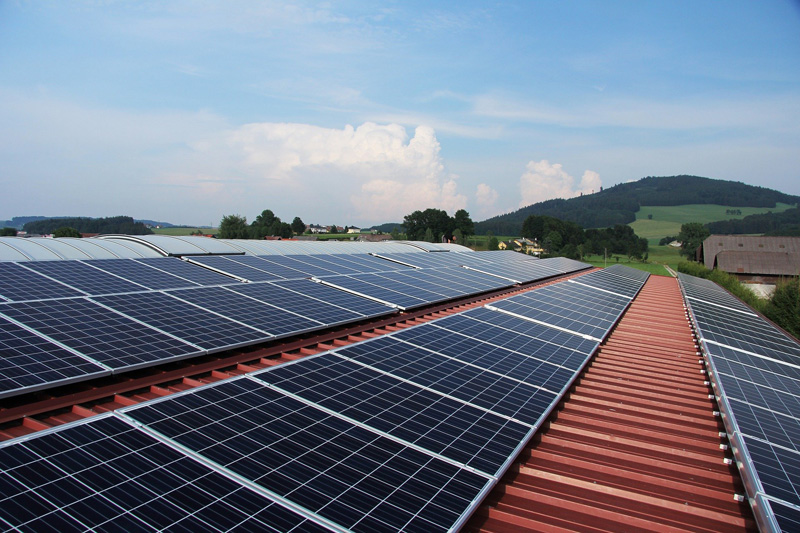
Scurgerile de la acoperișurile fotovoltaice nu se datorează, în majoritatea cazurilor, consolelor de montare de calitate slabă, ci mai degrabă rezultă din nerespectarea diferențierii între diferitele tipuri de acoperișuri și din aplicarea unei abordări universale pentru impermeabilizare. Multe echipe de construcții forează găuri și aplică material de etanșare în același mod, indiferent de tipul de acoperiș; deși acest lucru poate părea rapid și convenabil, duce frecvent la probleme ulterioare, cum ar fi infiltrațiile de apă, umezeala și exfolierea.
Diferitele structuri de acoperiș variază în ceea ce privește materialele, metodele de drenaj și caracteristicile portante; în consecință, diferă și metodele utilizate pentru fixarea sistemelor de montare fotovoltaice, precum și tehnicile de impermeabilizare utilizate.
I. Acoperișuri plate din beton: Accent pe ancorarea sigură și o membrană impermeabilă continuă
Acoperișurile plate din beton sunt caracterizate de o duritate ridicată și un substrat solid, ceea ce le face cel mai potrivit tip de acoperiș pentru găurire și ancorare. Sunt utilizate în mod obișnuit în clădiri industriale și comerciale, precum și în case construite de proprietari cu acoperișuri plate. Cu toate acestea, acoperișurile plate se drenează lent și sunt predispuse la acumularea de apă, ceea ce impune cerințe mai mari privind etanșarea găurilor și integritatea stratului impermeabil.
Pentru instalațiile fotovoltaice, se recomandă prioritizarea utilizării ancorelor chimice pentru fixarea cadrelor de montare. Comparativ cu șuruburile de expansiune, ancorele chimice oferă o fixare mai strânsă și mai sigură, care nu se slăbește în timp; de asemenea, acestea duc la goluri mai mici în jurul găurilor, reducând astfel riscul de pătrundere a apei. După găurire, găurile trebuie curățate și uscate temeinic înainte de injectarea adezivul pentru a se asigura că interiorul găurii este complet umplut și compactat, fără a lăsa cavități prin care se poate infiltra apa.
Odată ce ancorarea este completă, nu este suficientă simpla etanșare a punctelor de ancorare; trebuie aplicat un strat impermeabil pe suprafață mare în jurul întregii baze. Aplicați mai multe straturi de strat impermeabil rezistent la intemperii pe bază, baza șuruburilor și găurile perforate, extinzându-se spre exterior pentru a acoperi stratul de impermeabilizare existent. Acest lucru integrează impermeabilizarea localizată în aceste puncte cu sistemul general de impermeabilizare al acoperișului, prevenind scurgerile localizate cauzate de reparații punctuale sau crăpături în zona înconjurătoare.
II. Acoperișuri din țiglă glazurată/țiglă de teracotă: Găurirea găurilor în centrul țiglelor este strict interzisă; accentul trebuie pus pe poziționarea țiglelor pentru a evita astfel de zone.
Acoperișurile din țiglă sunt fabricate dintr-un material fragil, predispus la crăpare, iar suprafața lor vitrată este neabsorbantă. Dacă se găurește o gaură în centrul unei țigle, este sigur că va rezulta în micro-fisuri, infiltrații de apă și acumularea de apă în timpul ploii, iar astfel de daune nu pot fi reparate complet. Nouăzeci la sută din scurgerile din acoperișurile din țiglă sunt cauzate de găurirea în locații greșite.
Instalarea sistemelor fotovoltaice pe acoperișuri din țiglă vitrificată sau din lut trebuie să respecte o regulă de neclintit: găurirea este permisă doar la rosturile suprapuse dintre țigle; găurirea în centrul suprafeței țiglei este strict interzisă. Aceste rosturi permit în mod natural dilatarea și contracția, sunt mai puțin predispuse la fracturare și se aliniază cu căile de drenaj existente ale acoperișului, reducând astfel la minimum acumularea presiunii apei.
În același timp, trebuie utilizate tampoane hidroizolatoare specializate pentru cârlige de țiglă și straturi de etanșare din cauciuc. Ar trebui folosiți distanțieri flexibili pentru a înfășura punctele de contact metalice, prevenind ruperea țiglelor cauzată de compresia rigidă, sigilând în același timp golurile împotriva infiltrațiilor capilare. Impermeabilizarea acoperișurilor cu țiglă nu se bazează pe straturi groase sau excesive de adeziv, ci mai degrabă pe o poziționare precisă și o protecție flexibilă pentru a asigura integritatea țiglelor, rosturile etanșate și drenajul neobstrucționat.
III. Acoperișuri din tablă de oțel vopsită în culoare, cu structură din oțel: Evitați găurirea pe cât posibil; acolo unde găurirea este inevitabilă, asigurați o dublă etanșare.
Acoperișurile din tablă de oțel vopsită sunt ușoare, predispuse la rugină și supuse unor dilatații și contracții termice semnificative; trebuie evitată cu strictețe găurirea aleatorie. Deoarece tablele metalice sunt supuse unor vibrații și deformări constante pe tot parcursul anului, aplicațiile standard de etanșare sunt foarte predispuse la fisuri și delaminare. Acest lucru le face tipul de acoperiș cu cea mai mare incidență a scurgerilor și cele mai mari cerințe de întreținere.
Prin urmare, abordarea preferată pentru acoperișurile din oțel vopsit este o soluție de prindere fără găuri. Prin utilizarea cleme specializate pentru acoperișuri Pentru a prinde ondulațiile, această metodă evită deteriorarea suprafeței panoului sau tăierea stratului impermeabil existent, eliminând astfel riscurile de scurgeri și rugină la sursă. Aceasta este în prezent metoda optimă de instalare pentru sistemele fotovoltaice din clădirile industriale.
În cazul în care găurirea este inevitabilă din cauza condițiilor specifice de instalare, trebuie implementat un proces de etanșare dublă folosind nituri impermeabile specializate pentru table de acoperiș din oțel vopsit, combinate cu bandă butilică impermeabilă: niturile au șaibe impermeabile încorporate pentru a fixa găurile găurite, în timp ce suprafața este apoi complet învelită cu bandă butilică cu aderență ridicată. Aceasta se conformează curburii tablelor de acoperiș, rezistă la fisurile cauzate de dilatarea și contracția termică a metalului și previne pătrunderea apei prin goluri și coroziunea suprafeței.
Add : 606, No. 12, Huasheng Road, Huli District, Xiamen,China
WhatsApp : +86153 9592 2968
E-mail : info@powerack.com



 Română


